Maintenance Myths: Keeping Your Filler Results Fresh at DerMedical Esthetics
DerMedical Esthetics • October 6, 2026
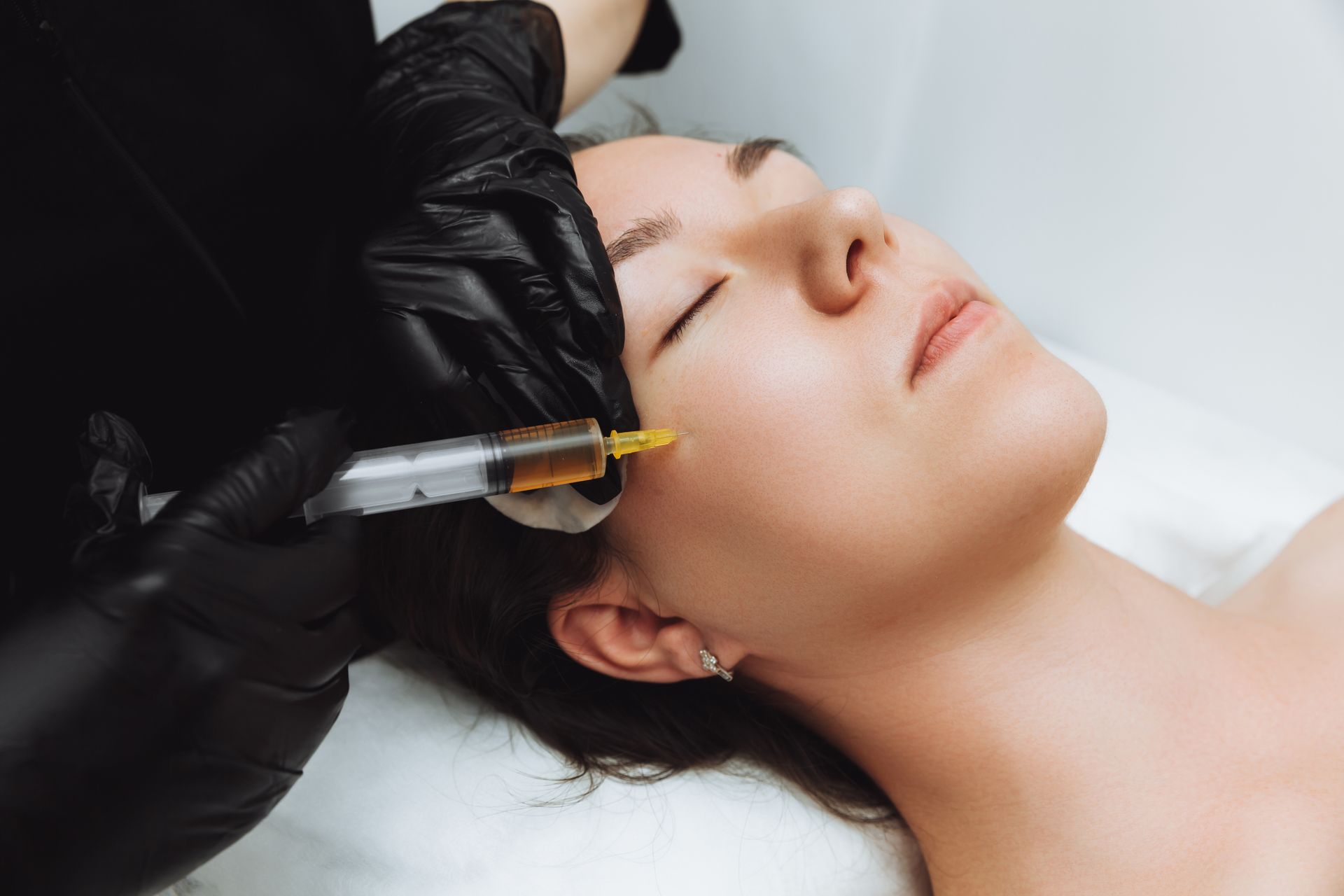
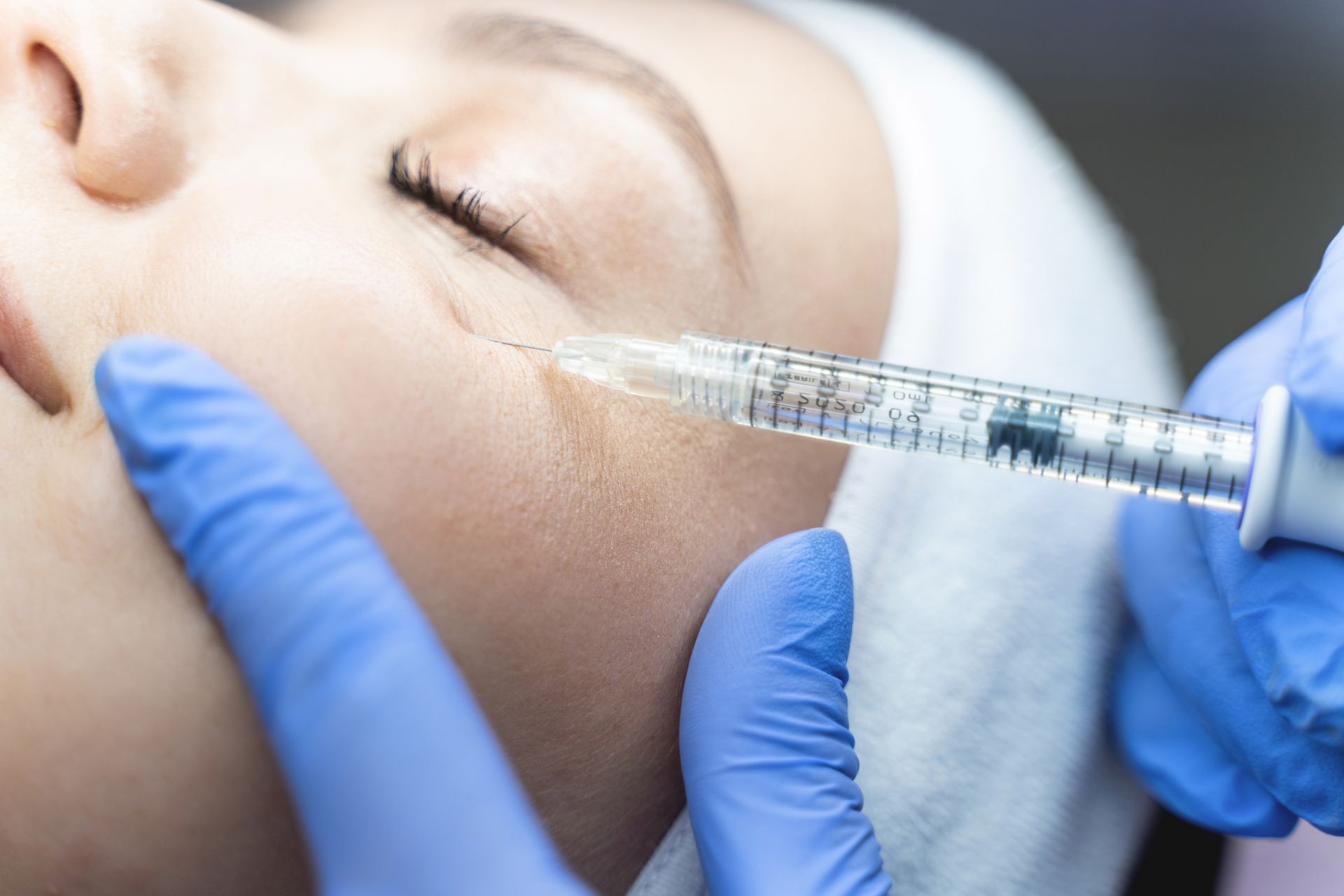
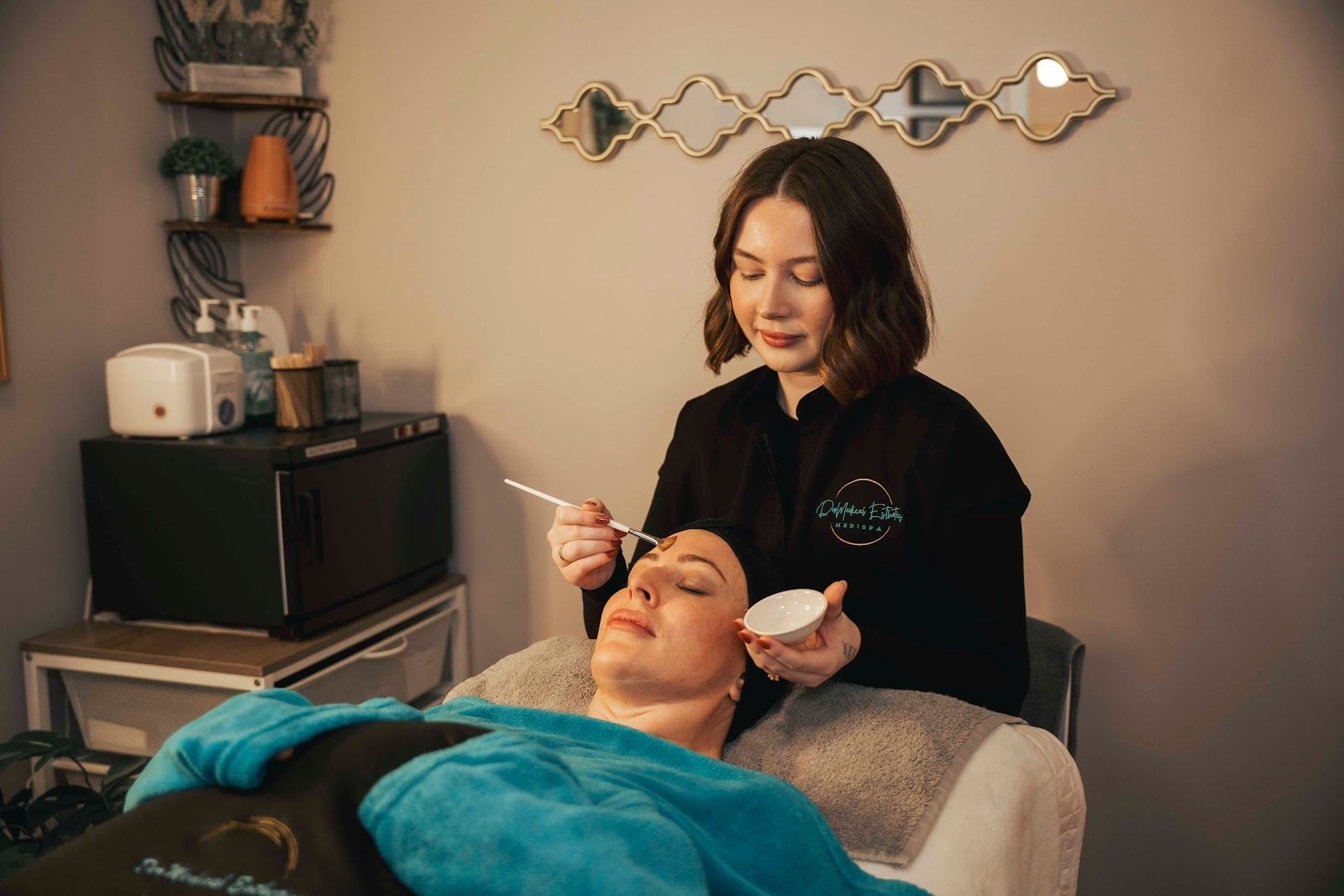
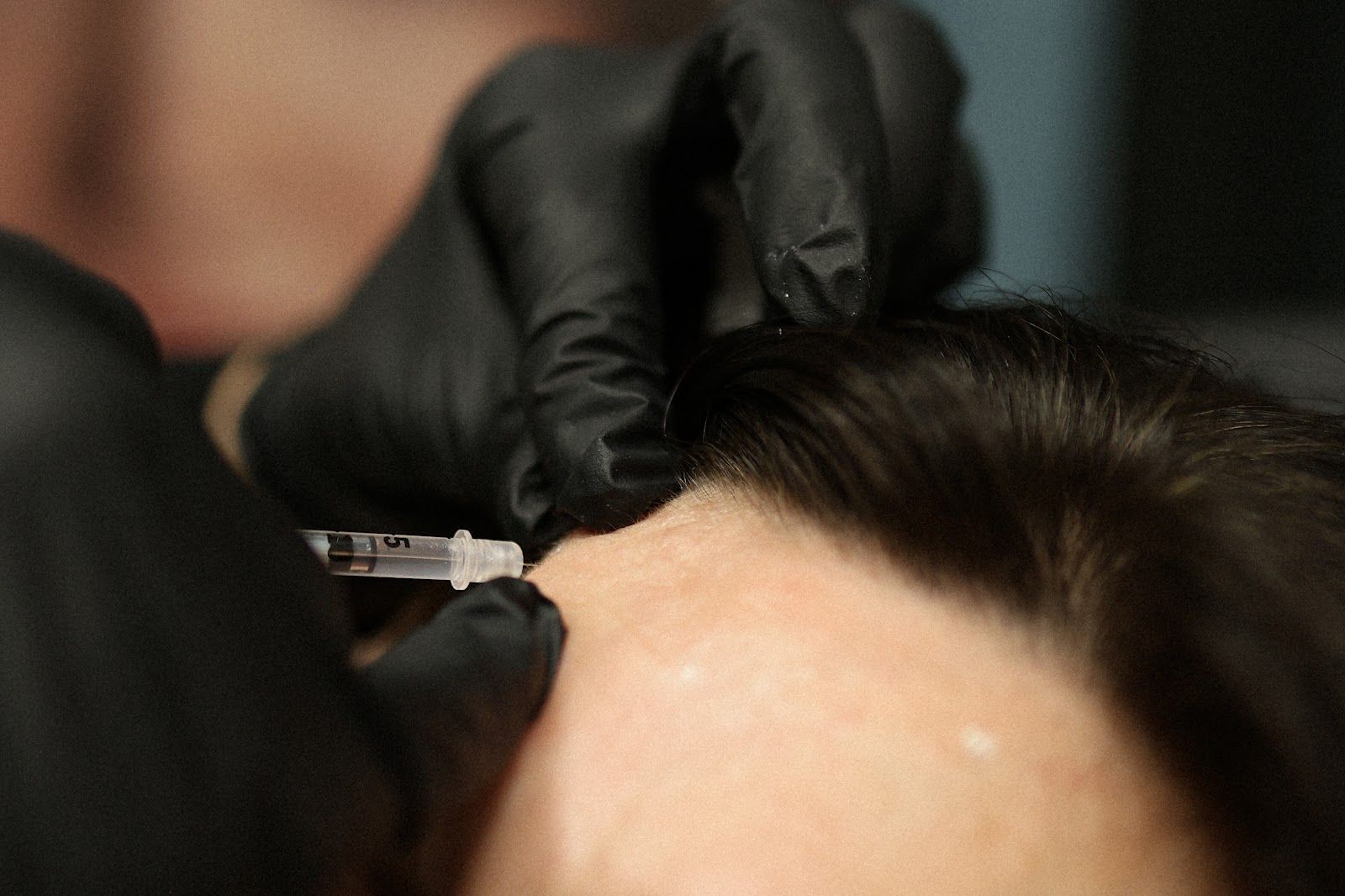
Walking out of the clinic with fresh volume and smooth contours is an exciting moment. Many people believe the work is completely done the second the injection is finished. The truth is that how you care for your skin at home plays a massive role in how long that initial volume lasts. At DerMedical Esthetics Inc, we want you to get the absolute maximum value out of your aesthetic investment.
Proper care ensures the hyaluronic acid settles correctly and integrates with your natural tissue. Without a solid aftercare strategy, everyday habits can cause the product to break down faster than intended. We designed this guide to help our dermal fillers Dartmouth patients protect their results and recognize exactly when it is time for a professional touch-up.
In This Guide:
- Immediate Post-Treatment Protocols
- Avoiding the Most Common Maintenance Mistakes
- Daily Habits to Protect Your Dermal Fillers Dartmouth Results
- Recognizing When It Is Time to Return
Immediate Post-Treatment Protocols
The first forty-eight hours dictate how well the hyaluronic acid settles into the targeted tissue. Your primary goal during this window is to minimize inflammation and keep the product exactly where it was placed by our practitioners.
• Swelling Management: Apply a cool compress wrapped in a clean cloth to the area for short intervals to reduce natural inflammation.
• Positional Awareness: Sleep on your back with your head slightly elevated for the first two nights to prevent asymmetrical pressure on your face.
• Hydration Boost: Drink extra water immediately after your session because hyaluronic acid draws in surrounding moisture to create a natural plumpness.
• Makeup Sabbatical: Keep your skin completely bare of cosmetics for at least twenty-four hours to prevent bacteria from entering the tiny injection sites.
• Activity Modification: Skip the gym and avoid any strenuous exercise for at least twenty-four hours to keep your blood pressure steady and minimize bruising.
Avoiding the Most Common Maintenance Mistakes
Even the most beautifully placed volume can be compromised by unintentional daily habits. Avoiding these specific pitfalls is critical for preserving your facial contours and preventing premature product breakdown.
• Excessive Heat Exposure: Sitting in saunas or taking boiling hot showers accelerates blood flow and can break down the product prematurely.
• Aggressive Facial Massage: Using harsh pressure with jade rollers or gua sha tools too soon can actually shift the product out of its intended placement.
• Ignoring Sun Protection: UV damage degrades your natural collagen and weakens the structural support around the injected areas.
Daily Habits to Protect Your Dermal Fillers Dartmouth Results
What maintenance is required after dermal fillers?
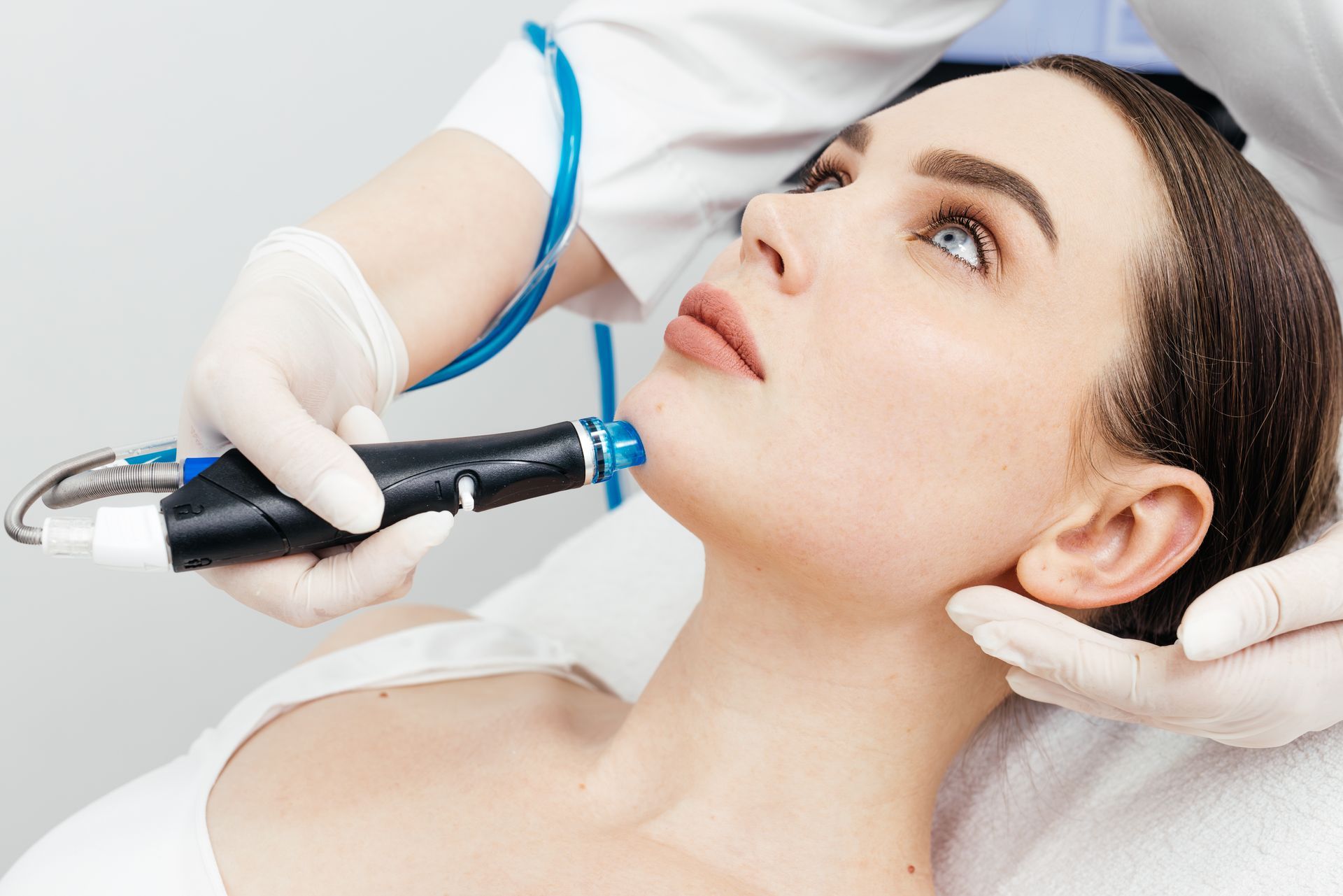
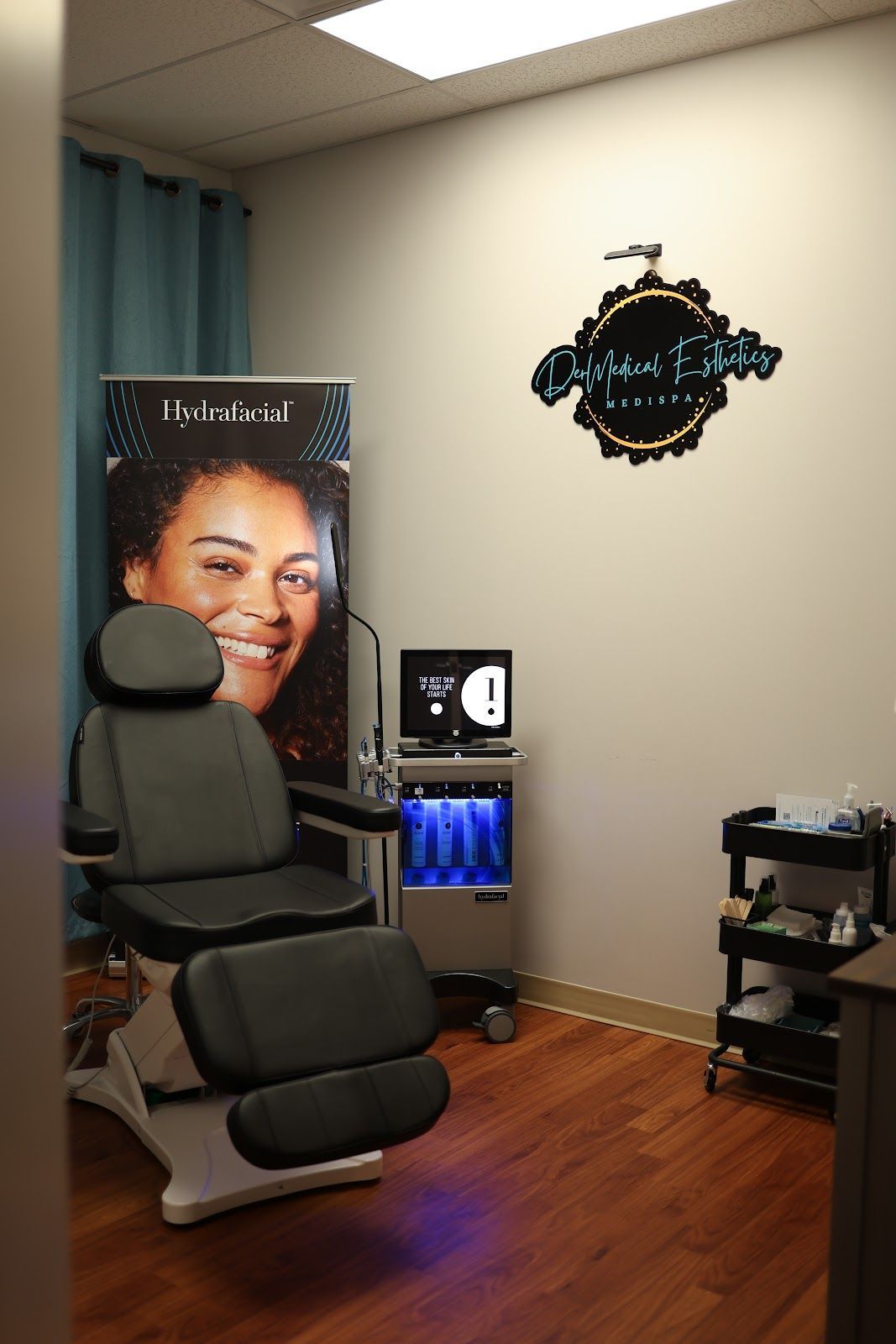
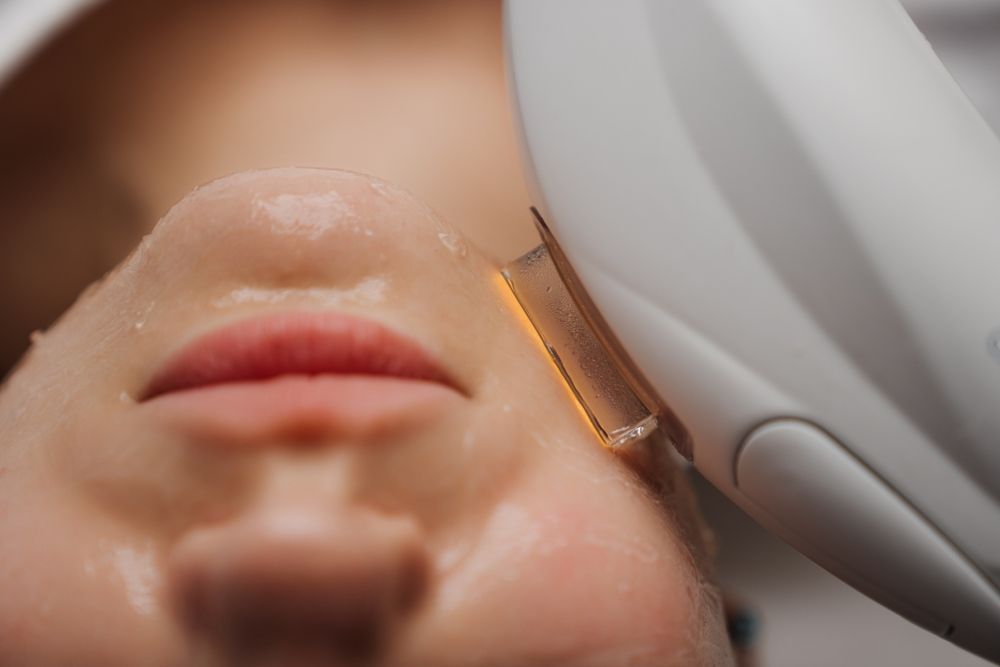
True maintenance relies on supporting your skin health from the inside out and the outside in on a daily basis. Consistently using a medical-grade moisturizer helps lock in the hydration that hyaluronic acid needs to thrive. Pairing your home care with regular clinical services like a HydraFacial ensures the surrounding tissue remains healthy and vibrant. Taking a daily collagen supplement can also support the biological dermal structure that holds the product in place.
Recognizing When It Is Time to Return
Hyaluronic acid naturally metabolizes over a period of six months to two years, depending on your unique body chemistry and the specific product used. Knowing what to look for helps you schedule your next visit before the volume completely disappears.
► The most important maintenance fact to remember is that gradual metabolism is normal, but waiting until the volume is entirely gone means starting the building process over from scratch rather than just maintaining it.
• Shadow Reappearance: Notice if the subtle shadows or hollows you initially corrected are beginning to cast visible lines again in natural lighting.
• Lipstick Bleeding: Check if fine lines around the mouth are allowing your lip products to feather, which indicates a loss of structural support.
• Profile Softening: Observe if the crisp definition along your cheeks or jawline is starting to look less distinct in photographs.
• Overall Deflation: Pay attention to a general feeling of flatness in areas that previously held a bright and lifted appearance.
Securing Your Long-Term Facial Contours
Protecting your facial volume is just as important as the initial placement session. By integrating these targeted habits into your routine, you help the product remain stable and look natural for as long as possible. Reach out to our clinical team to assess your current volume and plan your next strategic appointment.
Share This Blog